
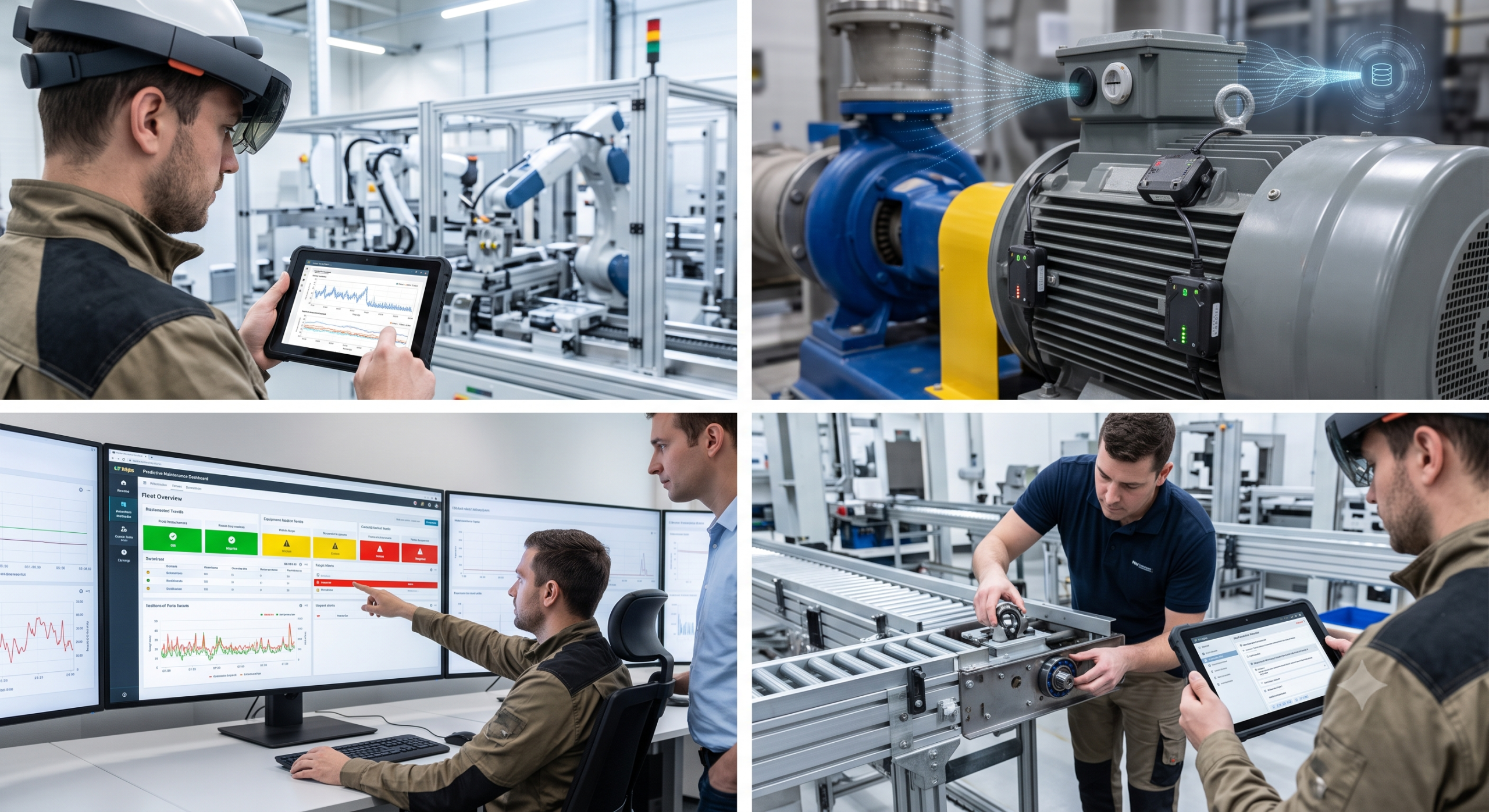
Smart Industrial Maintenance: The Future of Equipment Care
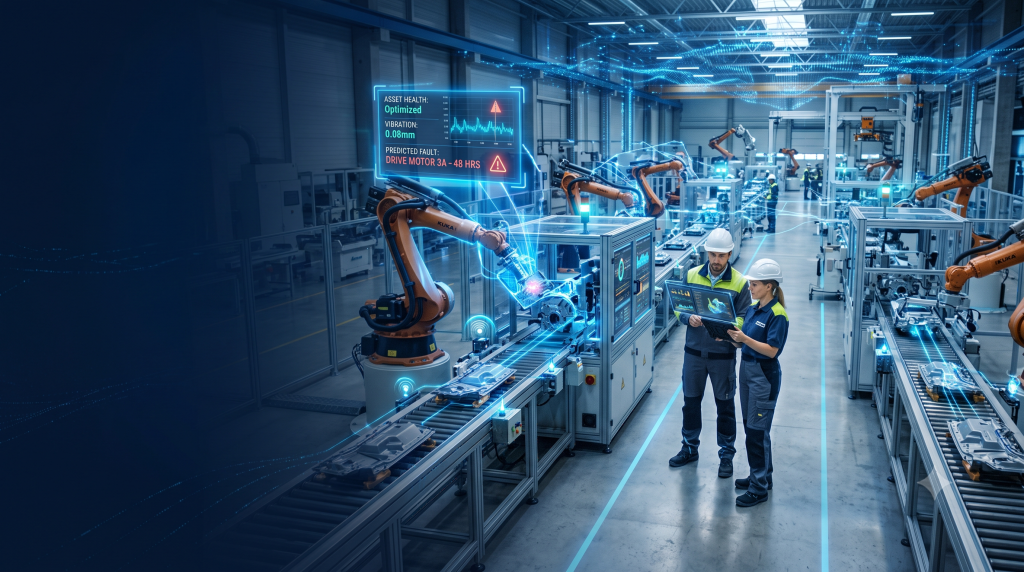
Smart Industrial Maintenance is reshaping how factories, plants, and energy facilities manage their most valuable assets. As equipment becomes more complex and production demands grow, traditional reactive maintenance no longer keeps pace with modern operational needs. Instead, industries now turn to data-driven strategies that combine sensors, analytics, and automation to predict issues before they occur. This shift empowers maintenance teams to act with precision, extend asset life, and safeguard overall productivity.
Why Critical Equipment Demands a Smarter Approach
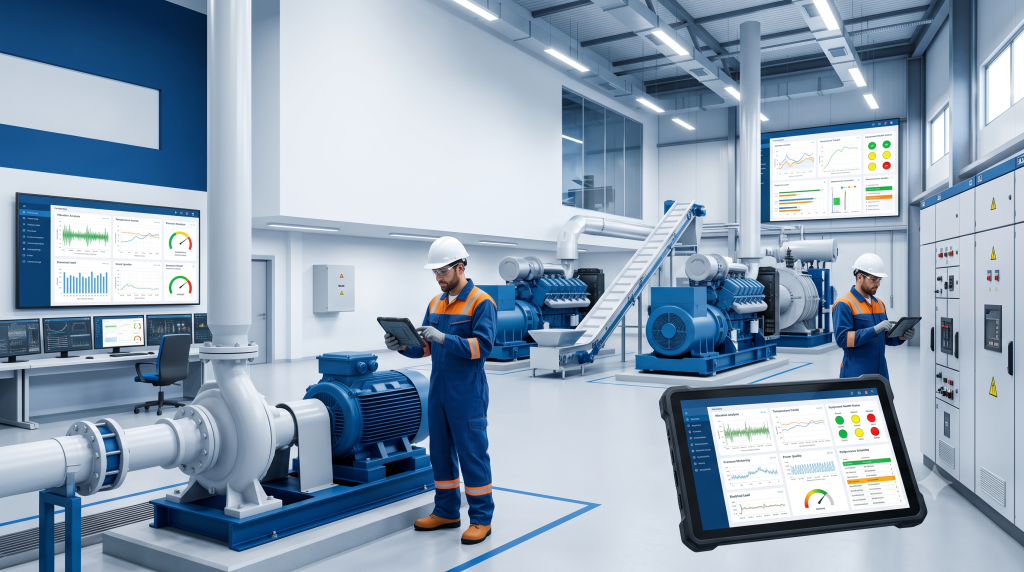
Machines such as turbines, compressors, conveyor systems, and high-voltage motors form the backbone of industrial output. When one of these assets fails unexpectedly, the ripple effect reaches production schedules, supply chains, and customer commitments. Smart Industrial Maintenance addresses this challenge by replacing guesswork with measurable insight.
Instead of waiting for breakdowns, teams now monitor performance indicators in real time. Vibration, temperature, pressure, and electrical load data flow into centralized dashboards. This visibility allows technicians to detect anomalies early and schedule repairs without halting operations.
Core Pillars of a Reliable Maintenance Strategy
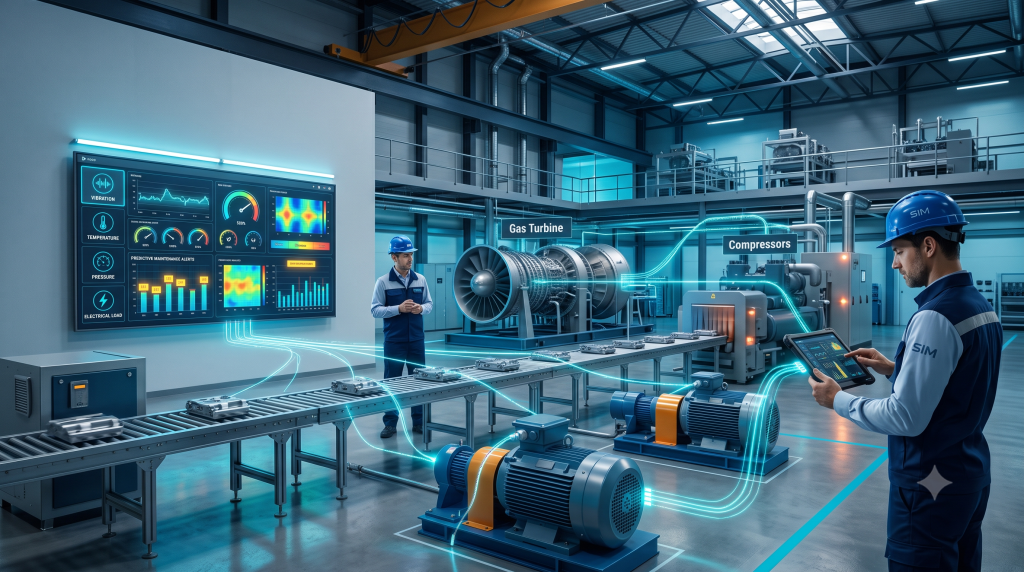
Building a strong strategy for critical equipment requires more than occasional inspections. The most effective programs combine several proven practices:
- Risk-based asset prioritization to focus resources where failure costs the most
- Preventive maintenance schedules based on manufacturer and operational data
- Predictive analytics powered by IoT sensors and machine learning
- Standardized procedures for inspections, repairs, and parts replacement
- Continuous training to keep technicians aligned with new technologies
Together, these pillars create a maintenance culture that values foresight over reaction.
How Smart Industrial Maintenance Works in Practice
Smart Industrial Maintenance relies on three key layers: data collection, analysis, and action. Sensors attached to equipment collect performance metrics around the clock. Cloud-based platforms then analyze these metrics using algorithms trained to recognize early signs of wear or failure. Once the system flags a potential issue, maintenance managers receive alerts with recommended actions.
For example, a vibration sensor on a motor may detect irregular patterns that suggest bearing wear. Instead of waiting for the motor to seize, the system schedules a replacement during planned downtime. This proactive response saves hours of lost production and prevents secondary damage to connected components.
Benefits That Drive Long-Term Value
Adopting Smart Industrial Maintenance delivers measurable advantages across every level of operations. Facilities gain:
- Up to 50 percent reduction in unplanned downtime
- Lower maintenance costs through targeted, condition-based repairs
- Extended equipment lifespan and improved return on assets
- Enhanced safety through early detection of hazardous faults
- Better energy efficiency as machines operate within optimal parameters
Beyond cost savings, these benefits strengthen a company’s reputation for reliability and quality, which directly supports customer trust and competitive advantage.
Overcoming Common Implementation Challenges
Despite its clear value, transitioning to Smart Industrial Maintenance presents challenges. Legacy equipment may lack built-in sensors, requiring retrofitting. Data integration across different machines and systems can also be complex. Additionally, teams need time and training to interpret analytics effectively.
Successful facilities address these obstacles by starting small. They pilot smart maintenance on a few critical assets, measure results, and expand gradually. Partnering with experienced technology providers also accelerates adoption and ensures proper system configuration.
The Human Role in a Smart Maintenance Environment
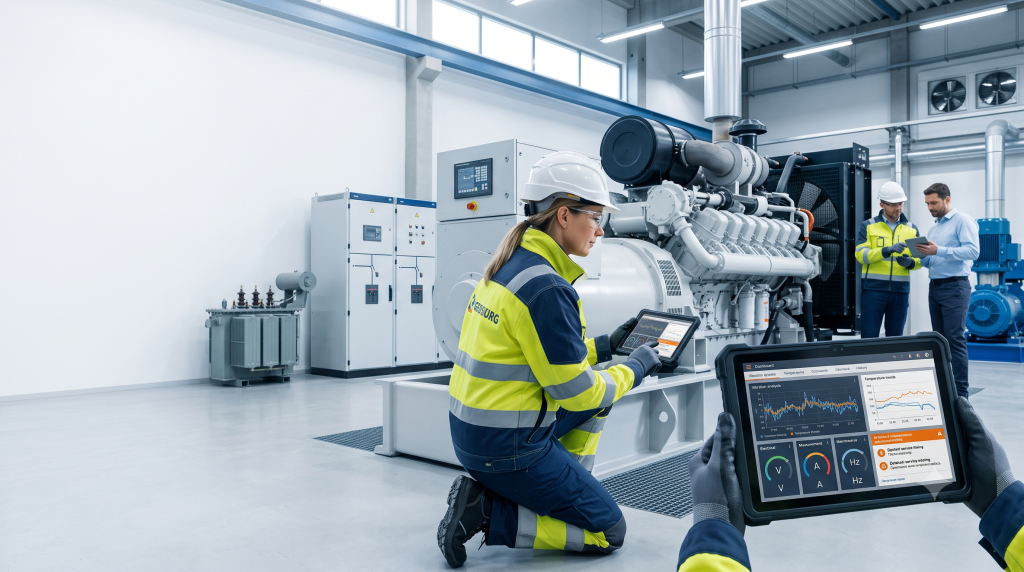
Technology enhances maintenance, yet skilled technicians remain essential. Smart Industrial Maintenance empowers workers with actionable insights rather than replacing their expertise. Technicians who once relied on routine checklists now make informed decisions based on real-time data. This combination of human judgment and digital intelligence produces stronger outcomes than either approach alone.
Investing in workforce development ensures teams can interpret data correctly, perform advanced diagnostics, and respond efficiently when alerts occur.
Conclusion: Prepare Your Operations for the Future
The future of equipment care belongs to those who embrace Smart Industrial Maintenance today. By combining data, technology, and skilled teams, industries can achieve higher reliability, lower costs, and safer operations. Start by evaluating your most critical assets, identify areas where data can guide better decisions, and partner with trusted technology providers. Train your workforce to use analytics confidently and integrate condition monitoring into daily routines. With a clear strategy and consistent execution, your facility can transition from reactive repairs to predictive excellence. Take the first step now, because smarter maintenance begins with a single decision to act.